VanCityGuide
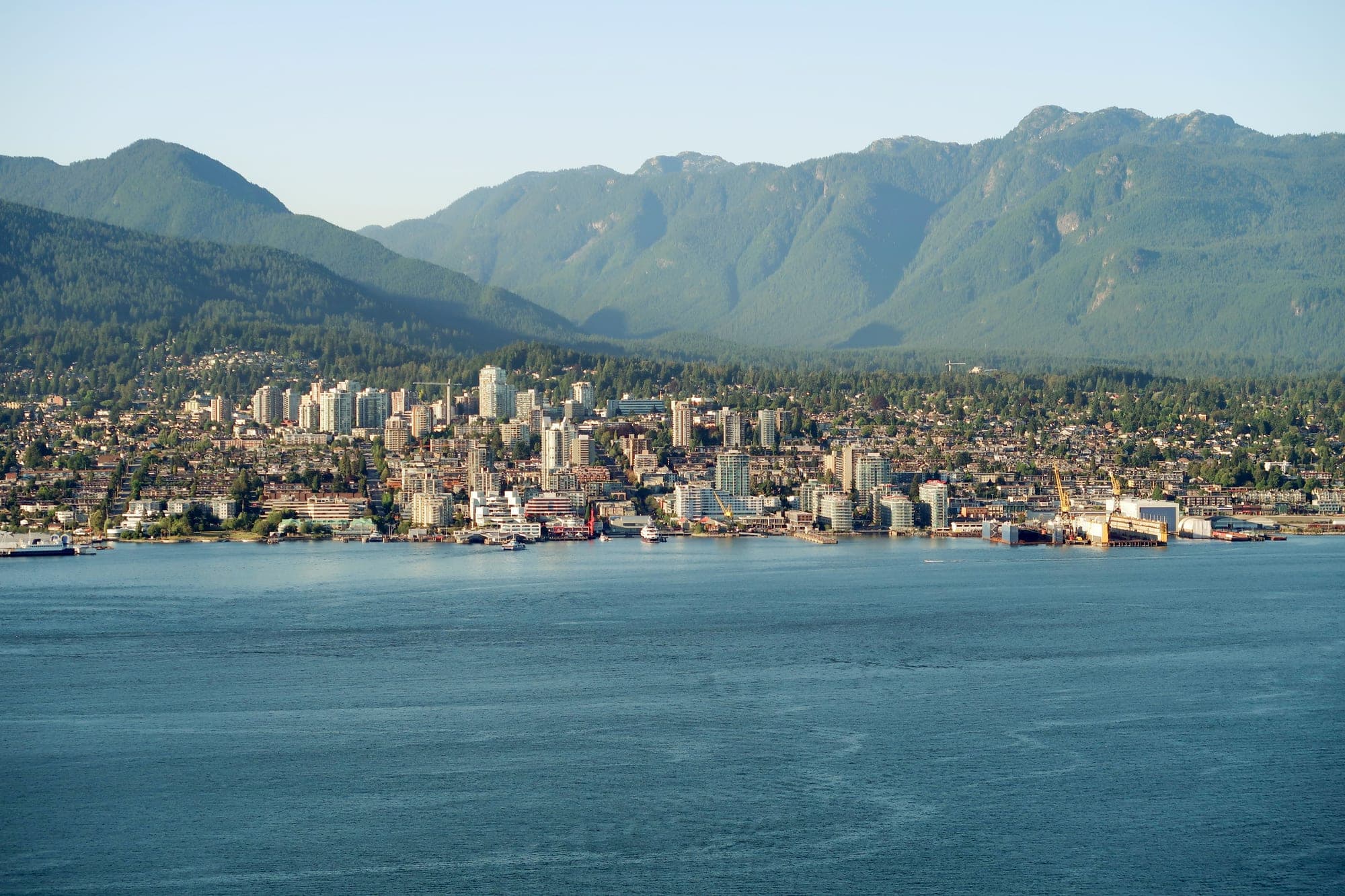
The North Shore of Burrard Inlet with the city of North Vancouver in the foreground and the Coast Mountains rising behind.
Greater Vancouver · City Guide

North Vancouver

The outdoor side of Metro Vancouver — mountains, suspension bridges, and the only corner of the region where the forest is louder than the traffic.

Population
146,288
Land area
172.9 km²
846 / km²
Median age
42.8
Foreign-born
35.2%
Top languages spoken
PersianMandarinKoreanTagalog (Filipino)CantoneseSpanish

Living in North Vancouver

A city half rainforest, half skyline.

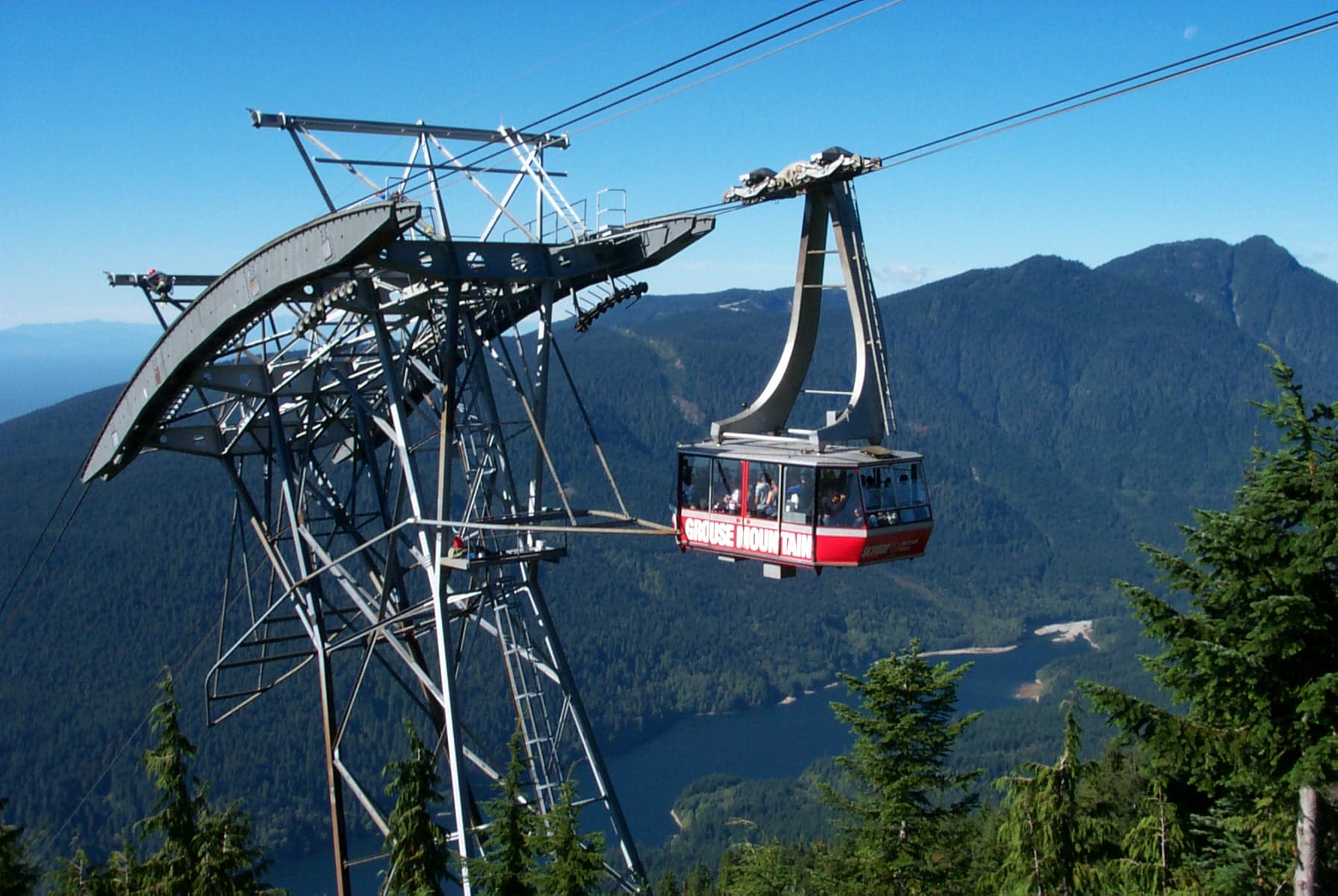
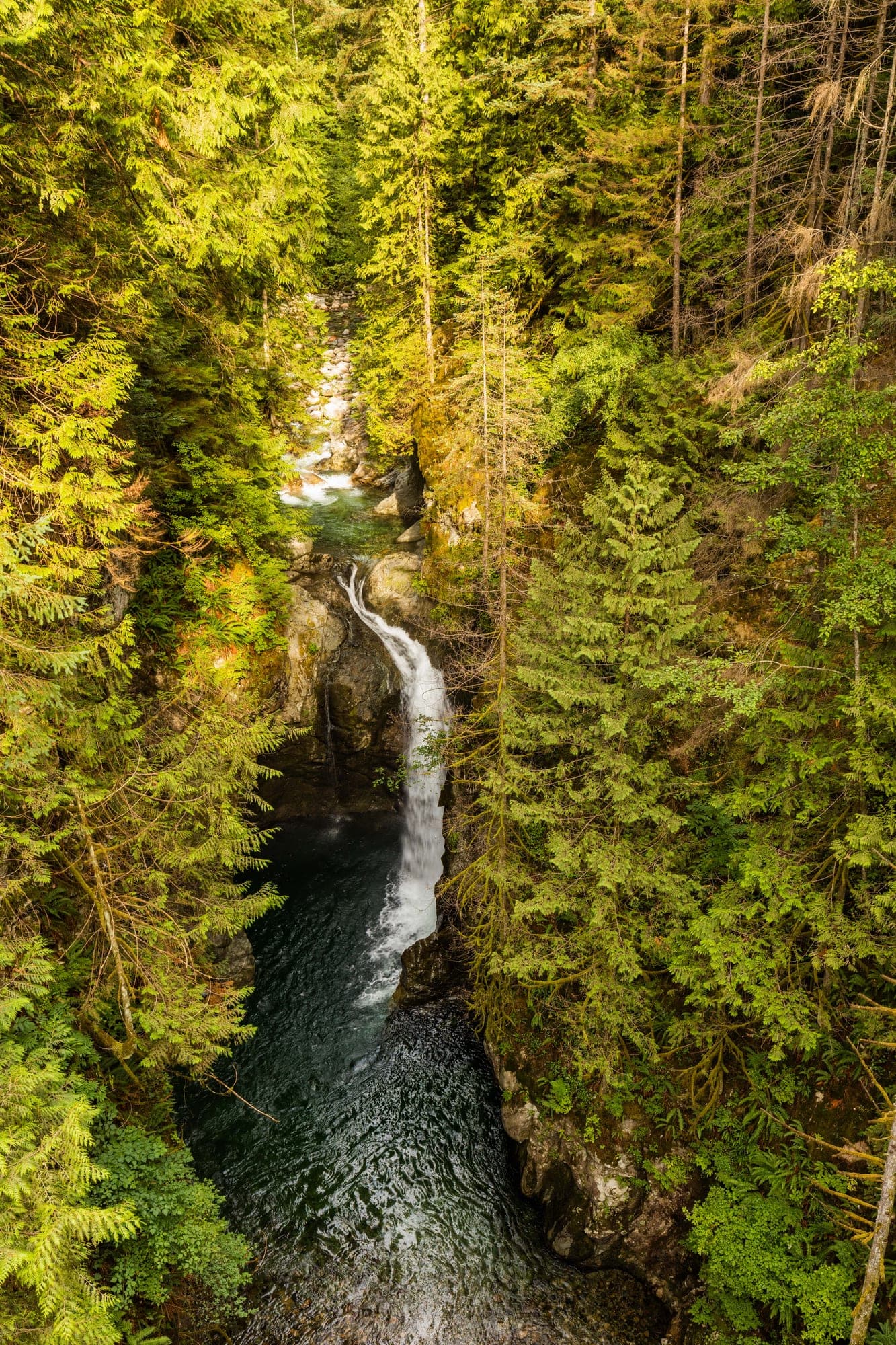
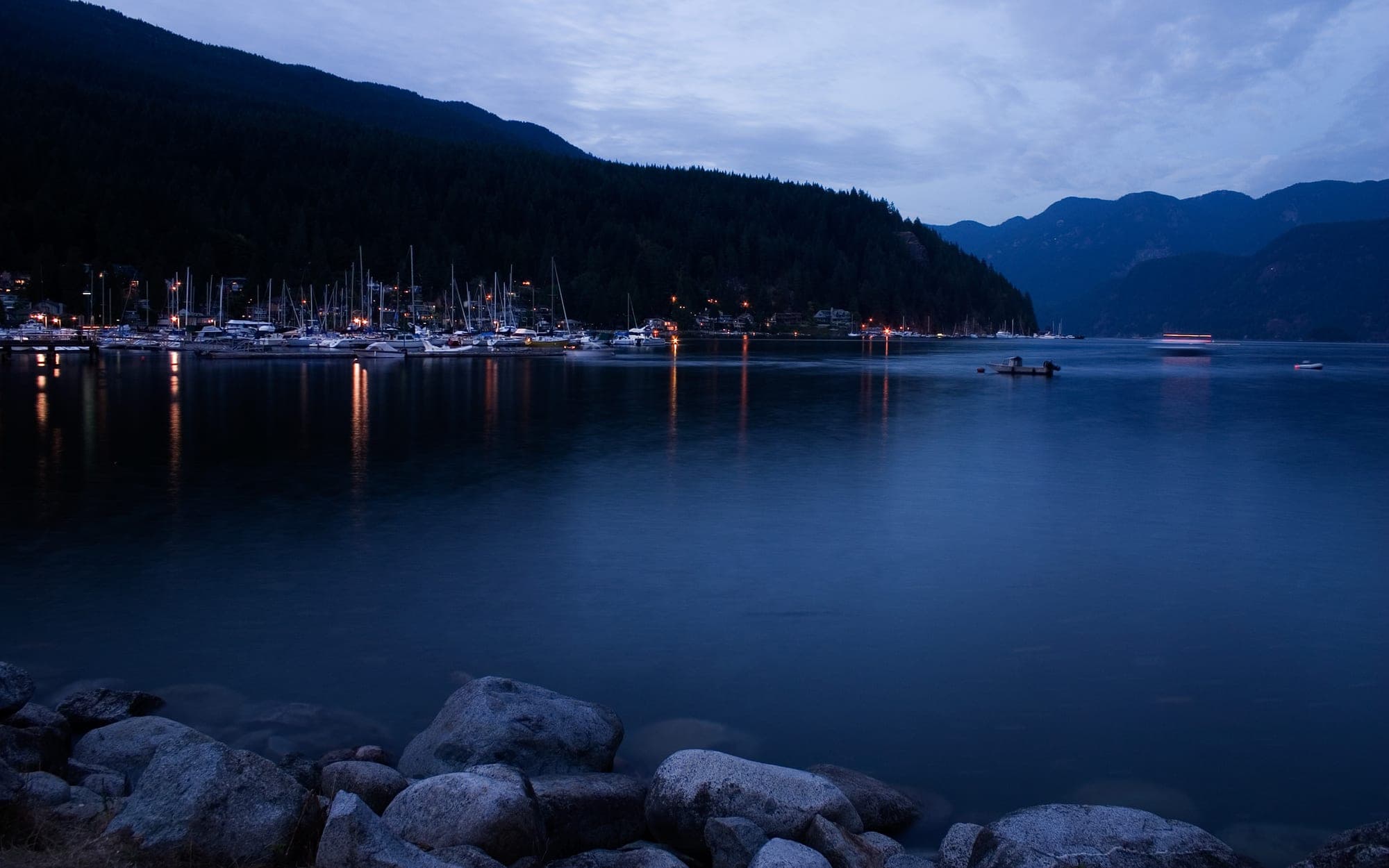
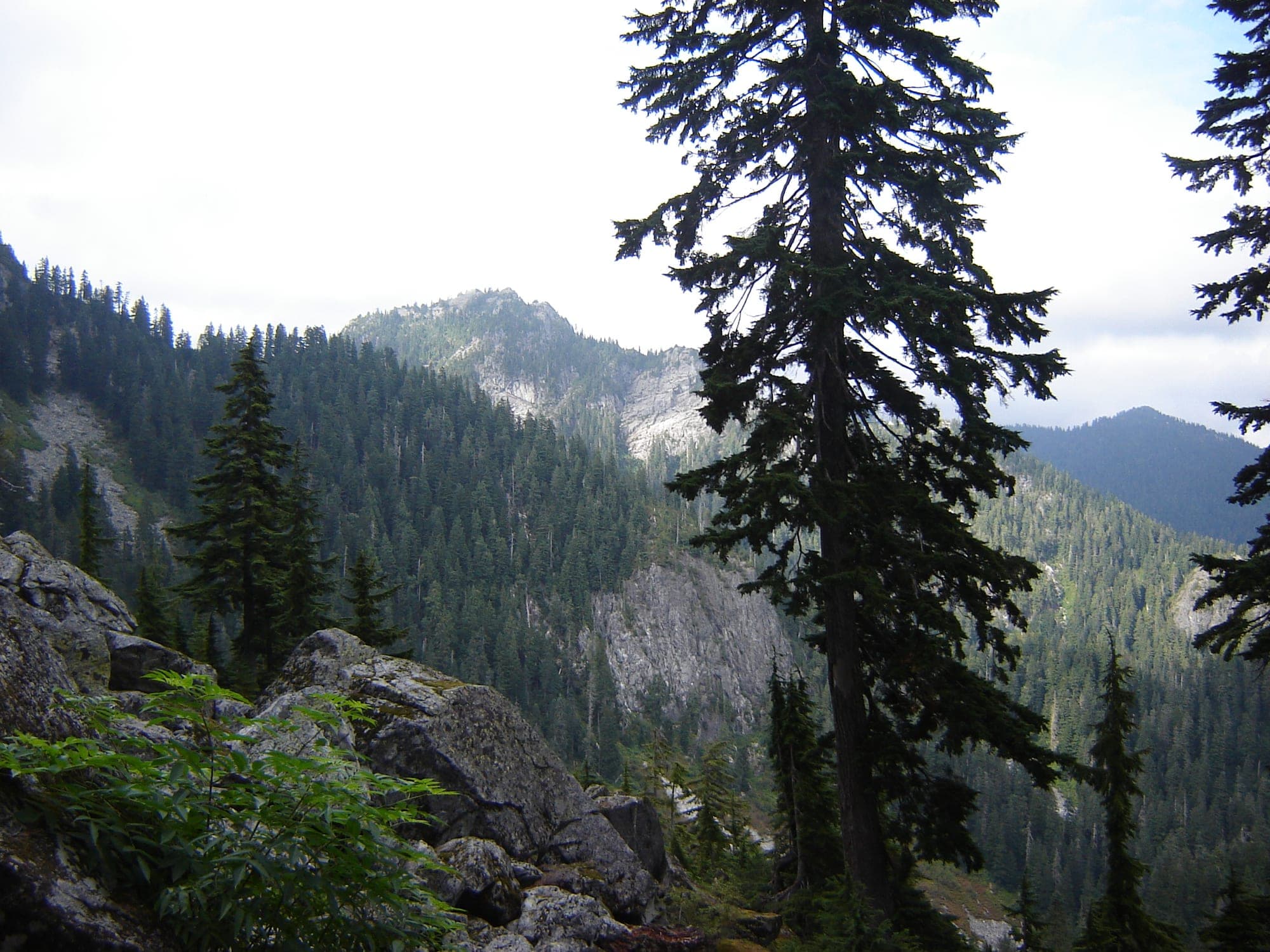
North Vancouver isn't one place, it's two: the City of North Vancouver (the small urban core around Lonsdale) and the District of North Vancouver (the larger surrounding suburbs on the slopes of the Coast Mountains). Together they have about 146,000 residents and form the most outdoor-oriented corner of Metro Vancouver. Within 15 minutes of almost any North Vancouver address, you can be at a trailhead climbing into old-growth forest, on a beach kayaking into Indian Arm, at the Capilano or Lynn Canyon Suspension Bridge, or on top of Grouse Mountain looking south across the city to Washington State.

The North Shore has a very specific character that's different from the rest of Metro Vancouver. Incomes are higher (median household income is close to $110,000), the population is older and less immigrant-heavy (about 35% foreign-born, lower than Vancouver, Surrey, Burnaby, or Richmond), and the community tilts toward outdoor-active, tech-worker, and young-family households. The Iranian-Canadian community in North Vancouver is the largest in Canada — roughly one in ten North Shore residents speaks Persian as a mother tongue, and the restaurant scene along Lonsdale reflects it.

The trade-off is the commute. North Vancouver has no SkyTrain — the only fast transit across Burrard Inlet is the SeaBus, which runs every 15 minutes from Lonsdale Quay to Waterfront Station in downtown Vancouver (a 12-minute crossing). Beyond that, you're on a bus or driving across the Lions Gate or Ironworkers Memorial bridges, both of which are notorious rush-hour bottlenecks. If your job is in downtown Vancouver and the SeaBus works for you, North Van is genuinely one of the best places to live in the region. If you need to get to Burnaby, Richmond, or Surrey for work, it's a painful choice.
Rankings

Which North Vancouver neighbourhood is right for you?

Same neighbourhoods, three different questions. Pick the ranking that matches what matters to you — and we'll tell you which North Vancouver neighbourhood comes out on top, and why.

Discover

Places in North Vancouver that sell the city to visitors — and keep residents here.

Swipe or use the arrows →

Getting around

Transit in North Vancouver

North Vancouver has no SkyTrain. The primary fast transit connection to the rest of Metro Vancouver is the SeaBus — two catamaran ferries that cross Burrard Inlet between Lonsdale Quay and Waterfront Station in downtown Vancouver every 10–15 minutes, with each crossing taking 12 minutes. The SeaBus is one of the best transit experiences in the region: cheap (1-zone fare, about $3.25), fast, and genuinely scenic. Beyond the SeaBus, North Van is served by local buses running up Lonsdale Avenue (229 and 239), across to Grouse Mountain (236), to Lynn Valley (228), and to Deep Cove (211). Rush-hour bus service across the Lions Gate Bridge and Ironworkers Memorial Bridge is reliable but subject to bridge traffic, which can add 20–30 minutes during peak periods.

SkyTrain lines
Major stations

Lonsdale Quay SeaBus Terminal

Schools & health

For families

North Vancouver School District (SD 44) is consistently one of the highest-ranked public school districts in British Columbia, regularly placing in the top three of the Fraser Institute's provincial rankings. Argyle Secondary (in Lynn Valley) and Handsworth Secondary (in the Edgemont area) are two of the best-performing public high schools in the province. The district has a strong International Baccalaureate (IB) program at Carson Graham Secondary in central North Vancouver, and its French Immersion program is one of the largest in Metro Vancouver. Primary healthcare is delivered through Vancouver Coastal Health, with Lions Gate Hospital in central North Vancouver as the main acute care facility serving the entire North Shore.

Public school district
North Vancouver School District (SD 44)
Health authority
Vancouver Coastal Health

Weather & seasons

Best time to visit North Vancouver.

North Vancouver has the wettest climate of any Metro Vancouver city — by a significant margin. The North Shore mountains force incoming Pacific weather systems to rise and drop their precipitation, which means the slopes get about twice the annual rainfall of downtown Vancouver. The upper elevations around Grouse and Seymour get significant snow in winter, which is why the ski hills exist. Summers are slightly cooler than Vancouver's because of the forest cover and elevation, but still warm and mostly dry.

Annual rainfall
2477 mm
Jan avg high
6°C
July avg high
22°C

When to come

June through September for the outdoor attractions (hiking, Deep Cove kayaking, Grouse summit). December through February for skiing at Grouse, Cypress, or Seymour. October and April are the quietest shoulder months but also the wettest — come prepared for rain.

Getting here

From YVR airport, take the Canada Line SkyTrain to Waterfront station, then walk to the SeaBus terminal and ride across to Lonsdale Quay — total trip about 60 minutes. A taxi or ride-share from YVR to Lower Lonsdale runs $50–65 depending on traffic and time of day.

About 75 minutes from the Peace Arch crossing via Highway 99 through downtown Vancouver and across the Lions Gate Bridge. Amtrak Cascades from Seattle stops at Pacific Central Station in downtown Vancouver, about 30 minutes from Lonsdale Quay via transit.

Common questions

What newcomers ask about North Vancouver.

Is North Vancouver a good place to live without a car?

Only if you live in Lower Lonsdale or Central Lonsdale, specifically. The SeaBus plus the Lonsdale bus corridor make the city of North Vancouver genuinely walkable and transit-connected. Outside that core — Lynn Valley, Deep Cove, Edgemont, Blueridge, the District generally — a car is strongly recommended. The bus service exists but is infrequent and subject to bridge traffic.

What's the difference between the City and District of North Vancouver?

They're two separate municipalities with separate city halls, separate councils, and separate tax rates. The City of North Vancouver is the small urban core (12 km², 58k people) around Lonsdale Avenue. The District of North Vancouver is the larger suburban and mountain area surrounding the City (161 km², 88k people) — it includes Lynn Valley, Deep Cove, and most of the North Shore mountains. Newcomers rarely need to distinguish them in daily life, but they matter for property tax, permits, and local elections.

How long is the SeaBus commute to downtown Vancouver?

The SeaBus takes 12 minutes to cross Burrard Inlet between Lonsdale Quay and Waterfront Station. Two ferries run simultaneously during peak hours, so sailings depart every 10 minutes during rush hour and every 15 minutes off-peak. It's arguably the best transit experience in the Metro Vancouver region — fast, scenic, and reliable.

Is North Vancouver expensive?

It's more expensive than Surrey, Coquitlam, or most of Burnaby, but slightly cheaper than the City of Vancouver itself. CMHC's 2023 data puts a North Shore 2-bedroom rental at $2,238 vs Vancouver's $2,181 — almost identical. Detached houses are the expensive part: median house prices in North Van are very high because of the limited supply and the outdoor lifestyle premium.

Which ski hill is best: Grouse, Cypress, or Seymour?

Grouse has the best views (right above downtown) and the best après-ski but is more expensive. Cypress has the most terrain and the longest runs — favoured by serious skiers. Mount Seymour is the smallest, cheapest, and most family-friendly, with the best tube park. All three are 30-45 minutes from downtown Vancouver. For first-timers, Mount Seymour is the easiest entry point.

Is Capilano Suspension Bridge worth the $68?

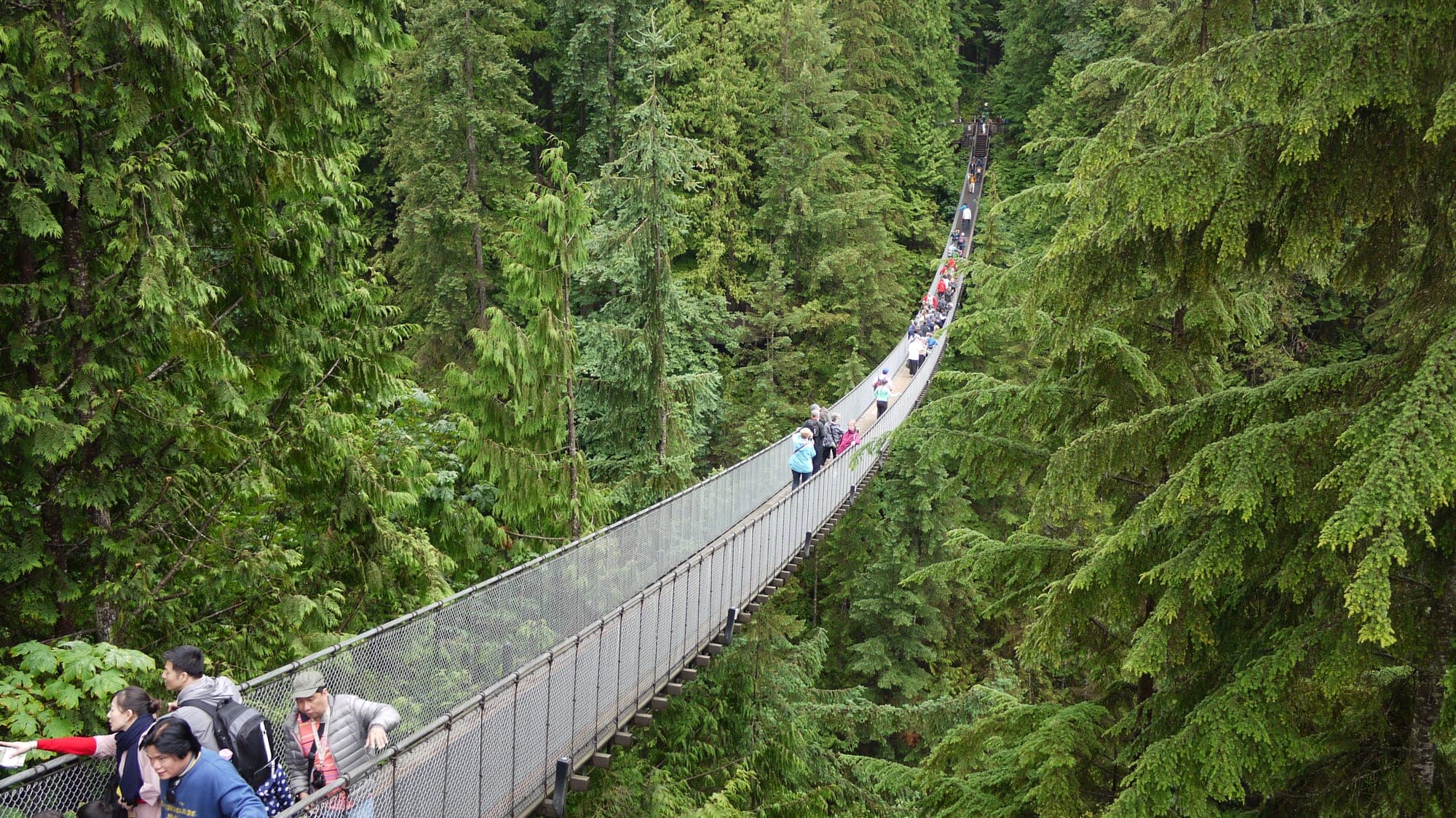
For first-time visitors to Vancouver, yes. The park is more than just the bridge — the Treetops Adventure, the Cliffwalk, and the First Nations cultural centre are all excellent, and the full visit takes 2-3 hours. For locals and repeat visitors, the free Lynn Canyon Suspension Bridge (20 minutes east) is genuinely a good alternative, just without the Treetops and Cliffwalk additions. If you have the budget, Capilano is the better experience; if you don't, Lynn Canyon is nearly as dramatic and free.

Is North Vancouver a good place for Iranian-Canadian newcomers?

North Vancouver has the largest Iranian-Canadian community in Canada. Persian is the #1 non-English, non-French mother tongue in the district, and the Iranian restaurants, grocery stores, and services along Central Lonsdale are deep and authentic. For newcomers from Iran specifically, North Vancouver is often the most natural landing point in Canada.

What about earthquakes and landslides?

North Vancouver is on the Cascadia subduction zone like the rest of Metro Vancouver, so earthquake risk is present but not elevated compared to the region. The specific North Shore risk is debris flow and landslides — steep forested slopes above residential neighbourhoods occasionally fail during heavy rain events. The District of North Vancouver has a monitoring program and specific risk zones are mapped; check the District's hazard map before buying a house in certain areas. Day-to-day life is unaffected.

How bad is the rain compared to downtown Vancouver?

Noticeably worse. Lower Lonsdale gets about 1,400 mm of annual rain, Lynn Valley closer to 1,700 mm, and the upper slopes of Grouse and Seymour well over 2,000 mm. For reference, downtown Vancouver is around 1,189 mm. If the rain in Vancouver already bothers you, North Van will bother you more. On the other hand, the extra rain is what makes the rainforest so dense and the skiing so good.

What's the North Vancouver School District like?

North Vancouver School District (SD 44) is consistently ranked in the top 3 public school districts in British Columbia. Argyle Secondary in Lynn Valley and Handsworth Secondary in Edgemont are among the highest-performing public high schools in the province. The district also has a strong International Baccalaureate program at Carson Graham and a large French Immersion program. For families prioritising public schools, the North Shore is one of the strongest choices in Metro Vancouver.

Keep exploring

Cities near North Vancouver.

Greater Vancouver is a collection of very different cities, each with its own rhythm, rents, and food scene. If you're comparing or planning a move, these are the obvious ones to look at next.