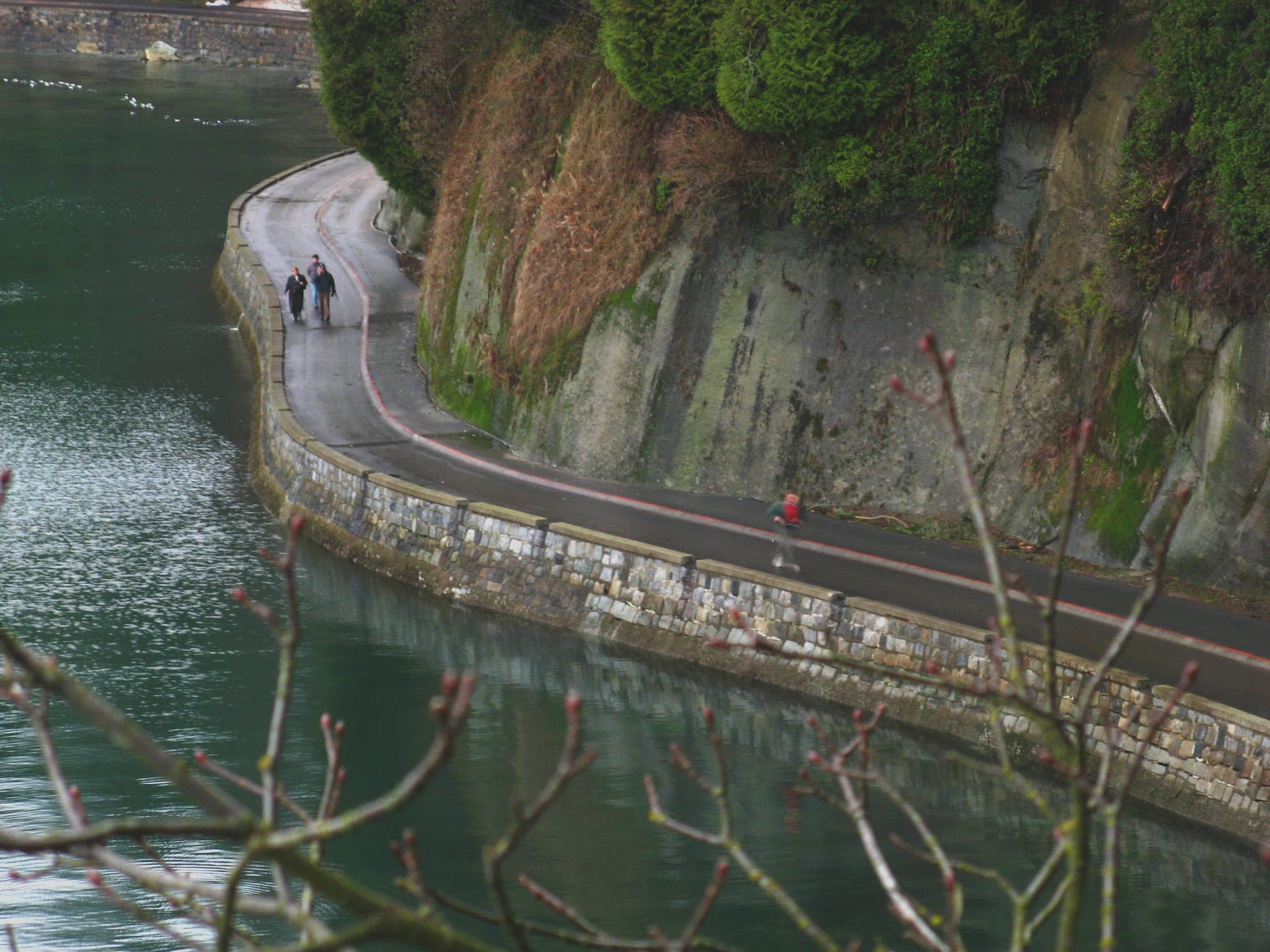
 park
parkDowntown peninsula
Stanley Park
Canada's largest urban rainforest, wrapped by a 10 km seawall.
Photo: Wikimedia Commons
Free entryBest time: Early morning on weekdays, or sunset at Third Beach
Read the full guide →
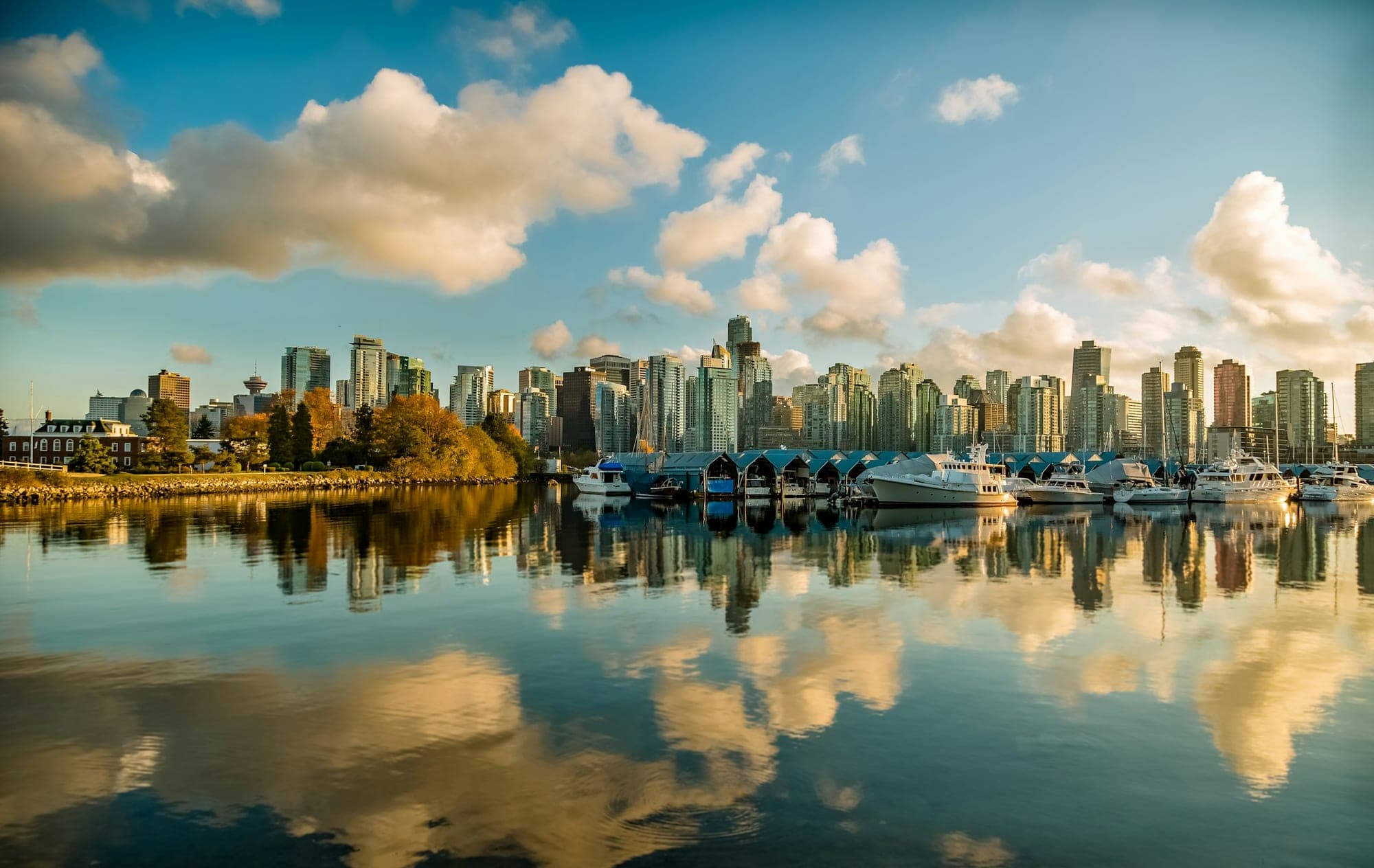
Canada's densest downtown, a seawall that never ends, and more coastlines than you expect.
Living in Vancouver
Vancouver is smaller than most newcomers expect — just 115 km² hugging a peninsula between the ocean and the mountains — but it packs more density, more coastline, and more linguistic diversity than almost anywhere else in Canada. About four in ten residents were born outside the country, and on any given block you'll hear Cantonese, Mandarin, Tagalog, Punjabi, and Spanish alongside English. The downtown peninsula has Canada's densest residential core, but turn a corner and you're on a beach. That contrast — urban intensity beside wild coastline — is what people mean when they talk about living here.
Newcomers usually get three things wrong. First, they underestimate how much life happens outside downtown: the East Side, Mount Pleasant, and South Vancouver have arguably better food, cheaper rent, and stronger community than the glass towers. Second, they overpay for rent by renting sight-unseen from listings that turn out to be basement suites or room shares priced like one-bedrooms. Third, they plan around driving and then discover that parking downtown is punitive and transit actually works. This guide tries to fix all three.
Where to live
Glass towers, the seawall, and the densest residential core in Canada.
Beach access, cafés, and young professionals who run before work.
Breweries, Main Street, and Vancouver's strongest indie food scene.
Italian roots, Latin American community, the last genuinely weird strip in the city.
Quiet Westside streets, good schools, and the kind of bakery that still wraps pastries in paper.
Everything east of Main — where most newcomer communities actually live.
Converted warehouses, waterfront cafés, and the polished end of downtown.
Vancouver's oldest neighbourhood — brick heritage, cocktail bars, and tasting menus.
A 25-block stretch of independent shops, vintage stores, and design studios south of Broadway.
Galleries, upscale shops, and mid-century apartment blocks south of the bridge.
Rankings
Same neighbourhoods, three different questions. Pick the ranking that matches what matters to you — and we'll tell you which Vancouver neighbourhood comes out on top, and why.
Discover
Swipe or use the arrows →
parkCanada's largest urban rainforest, wrapped by a 10 km seawall.
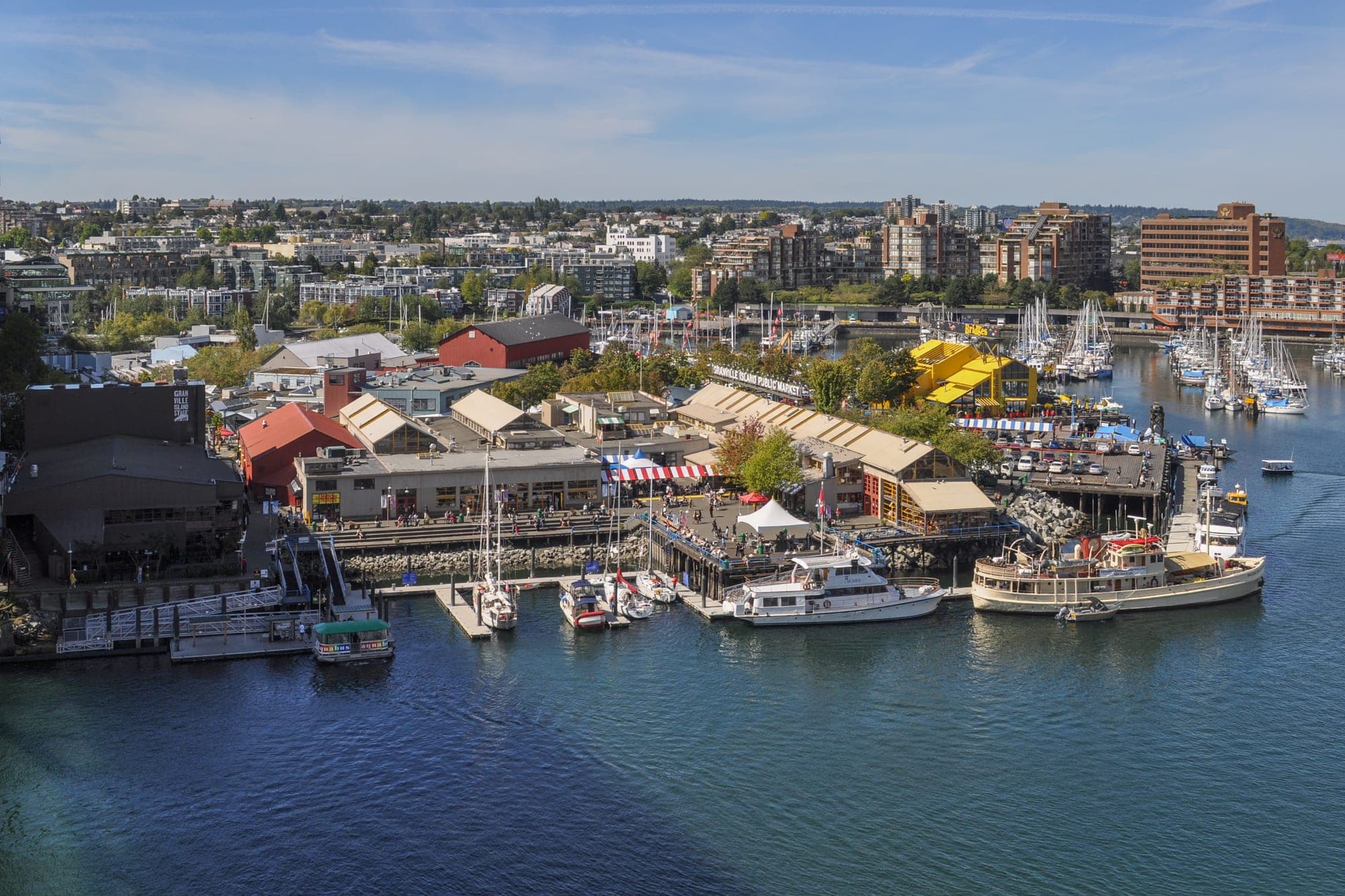 market
A former industrial island turned into one of North America's best public markets.
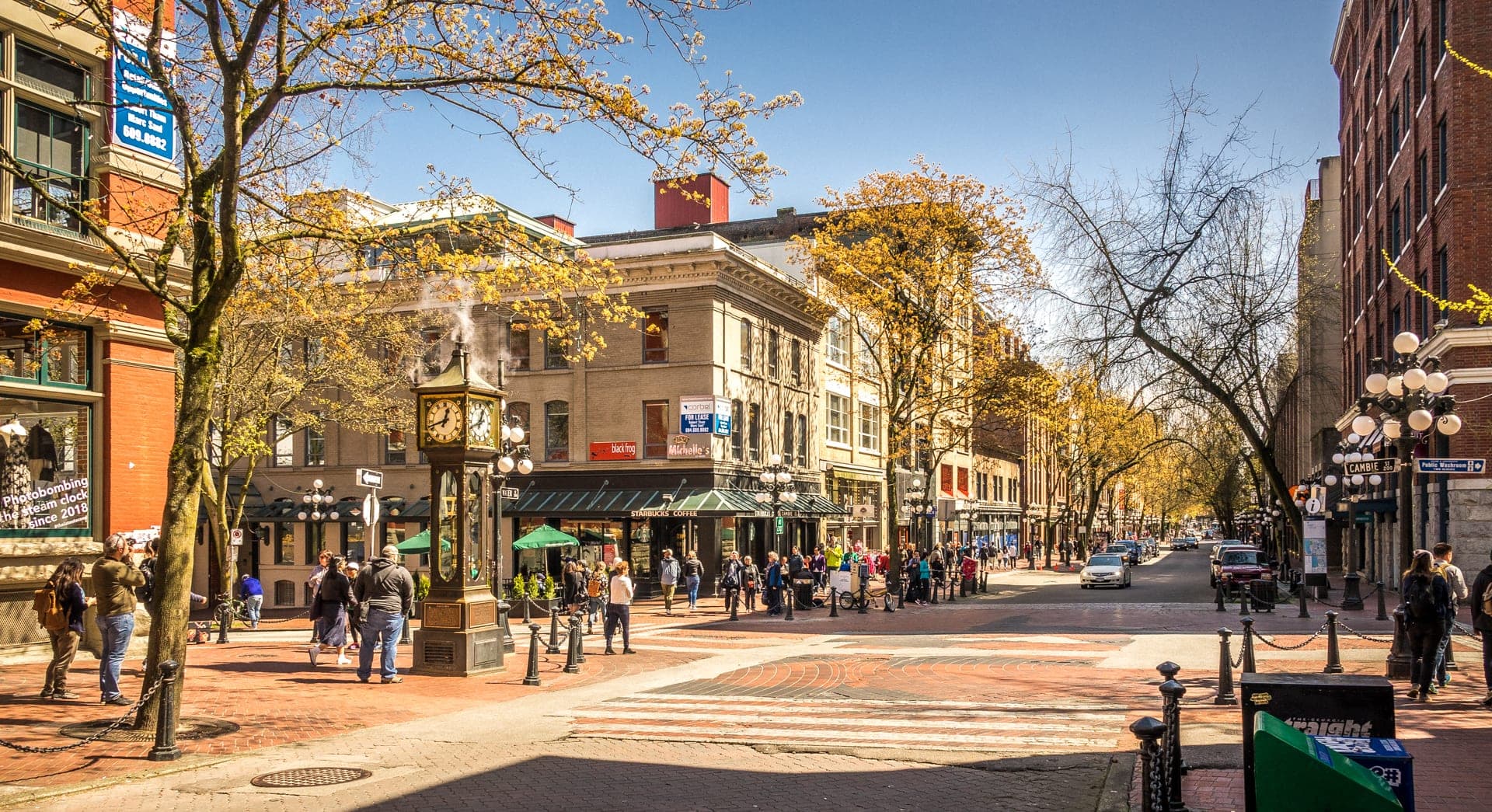 neighbourhood
Cobblestone streets, the famous steam clock, and Vancouver's oldest bars.
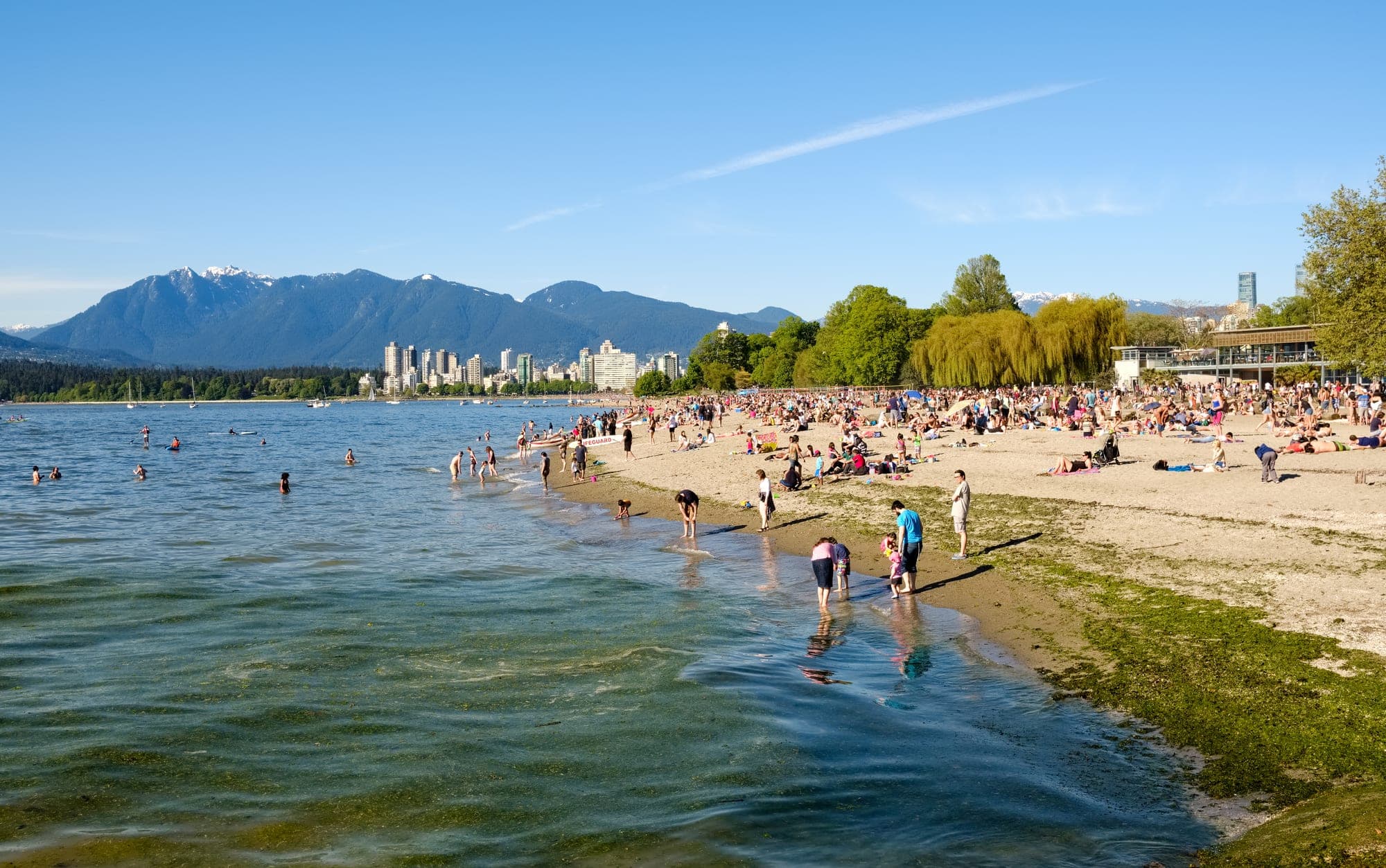 beach
beachVancouver's social beach — volleyball courts, a saltwater pool, and the skyline across the water.
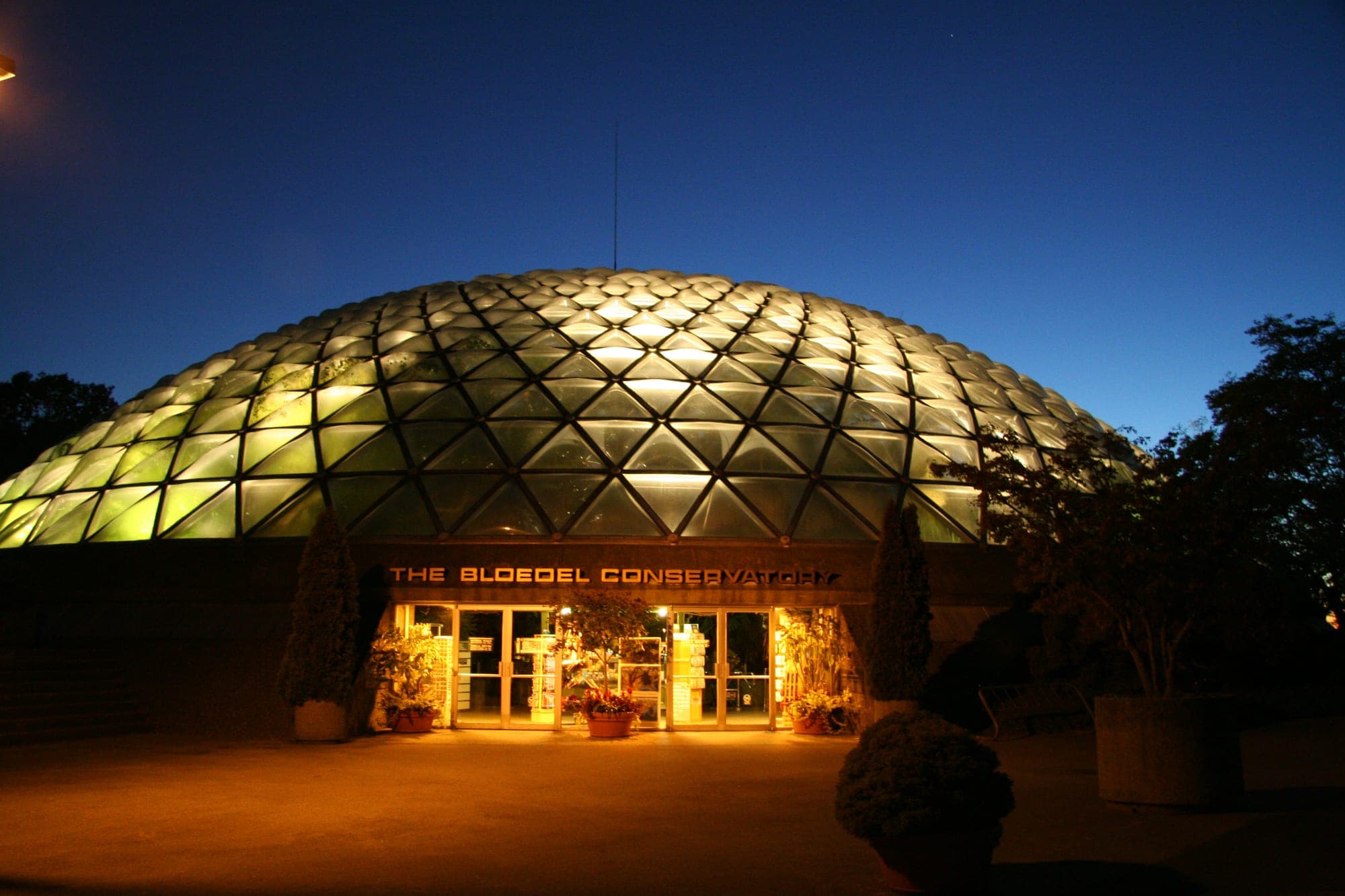 park
parkThe highest point in Vancouver — gardens, a glass conservatory, and a 360° skyline view.
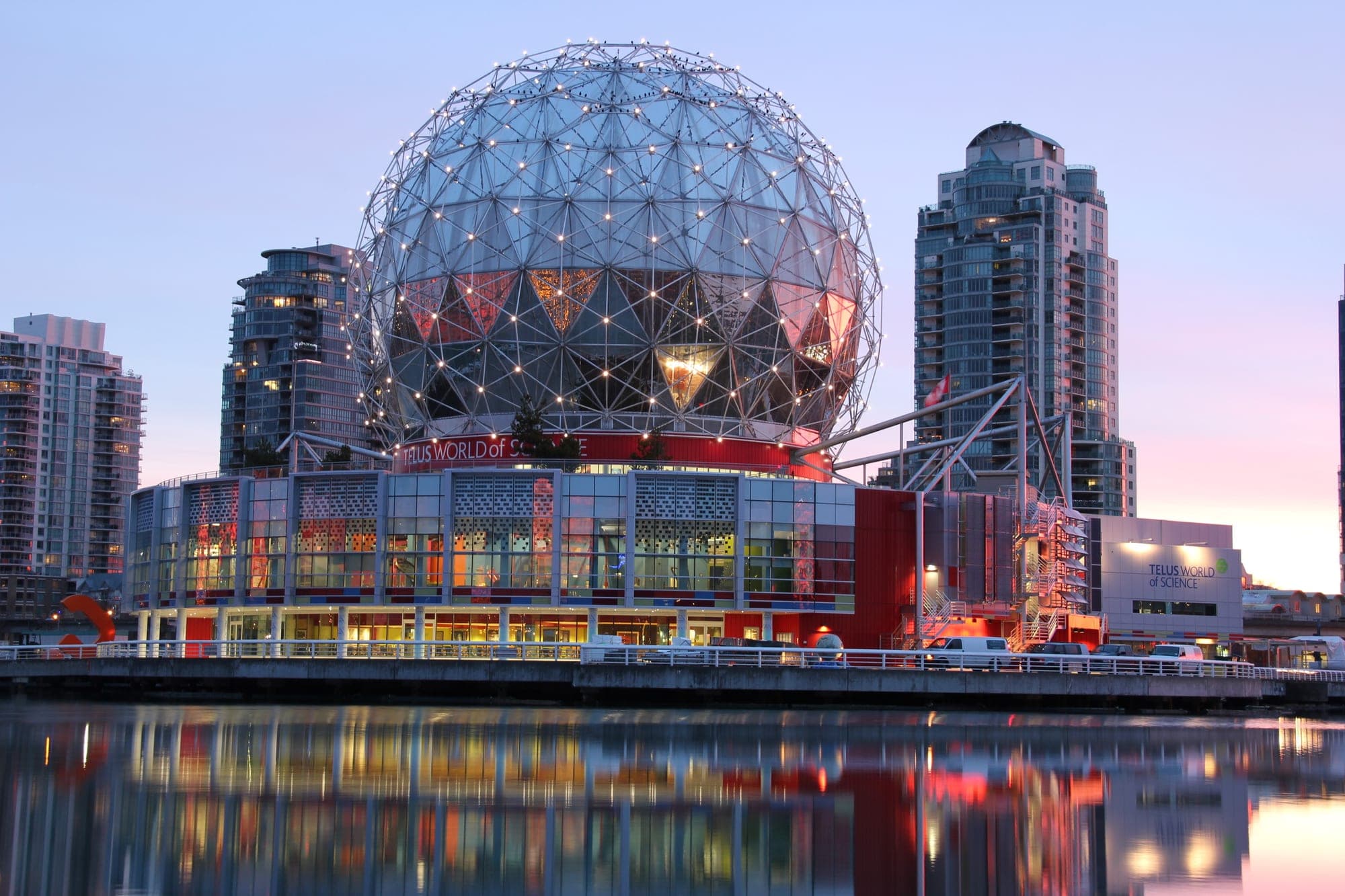 museum
The iconic geodesic dome on False Creek — half science museum, half Vancouver landmark.
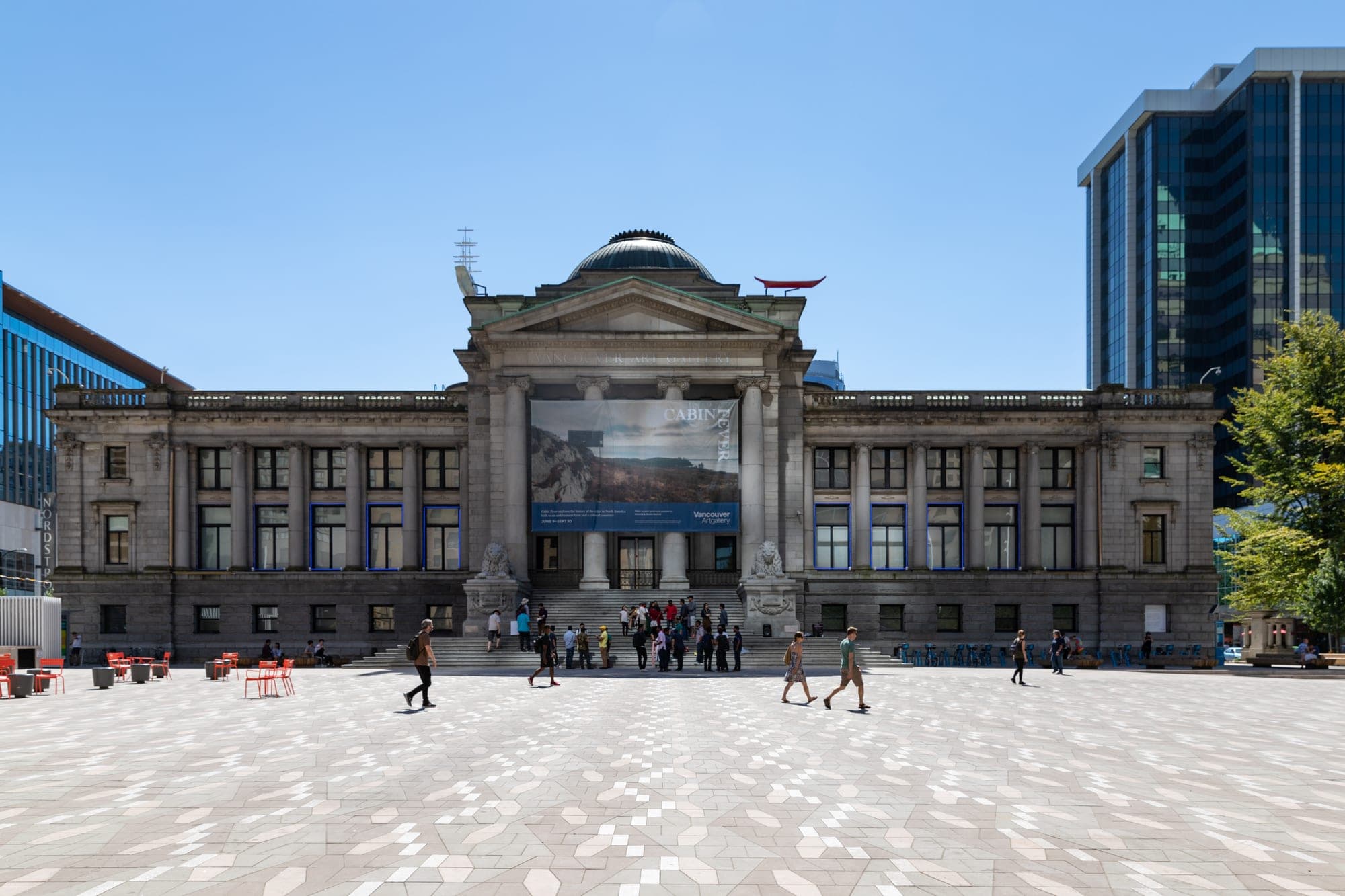 museum
BC's largest art gallery, in a former courthouse on Robson Square.
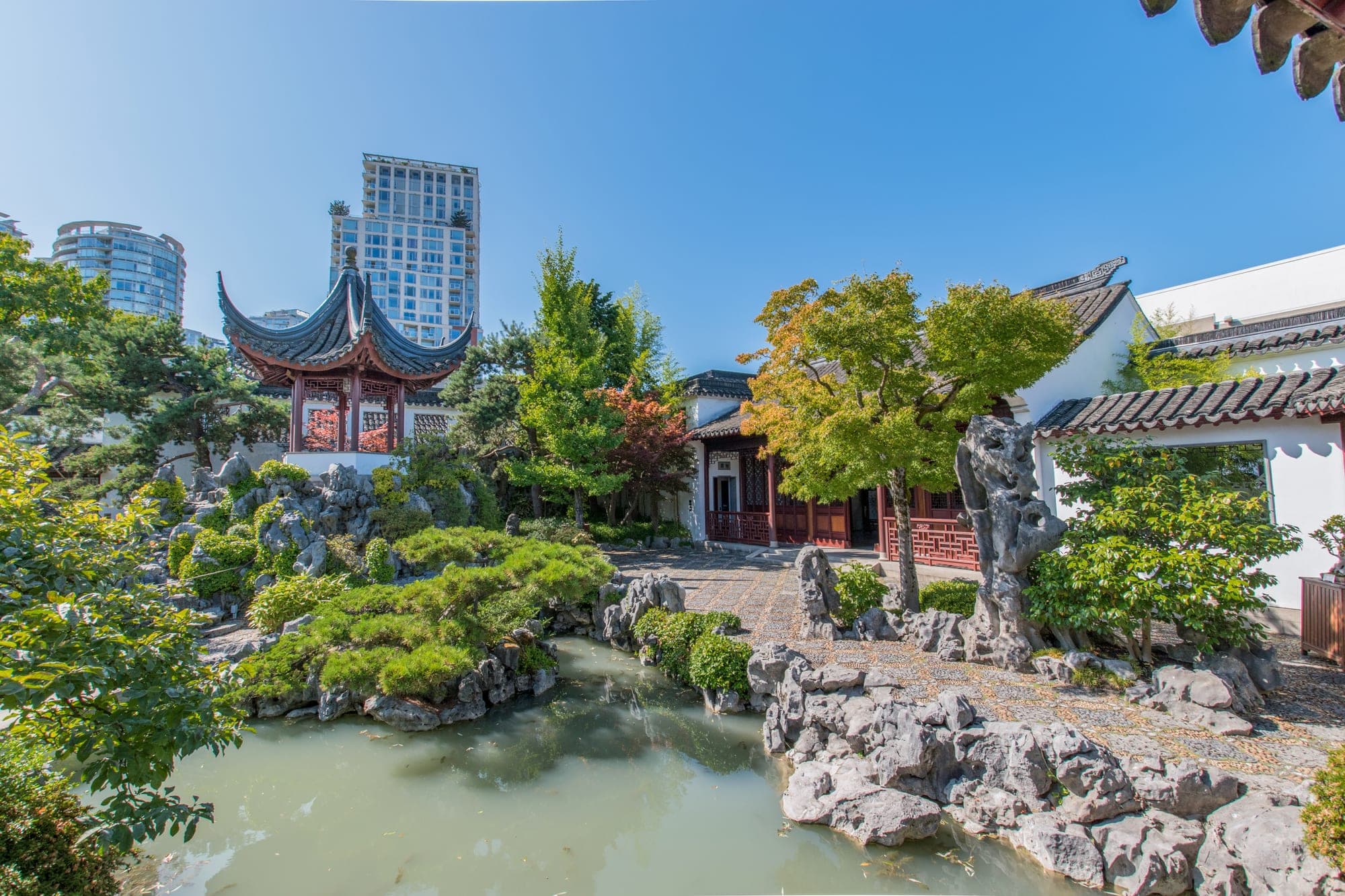 garden
The first authentic Ming-era classical Chinese garden built outside of China.
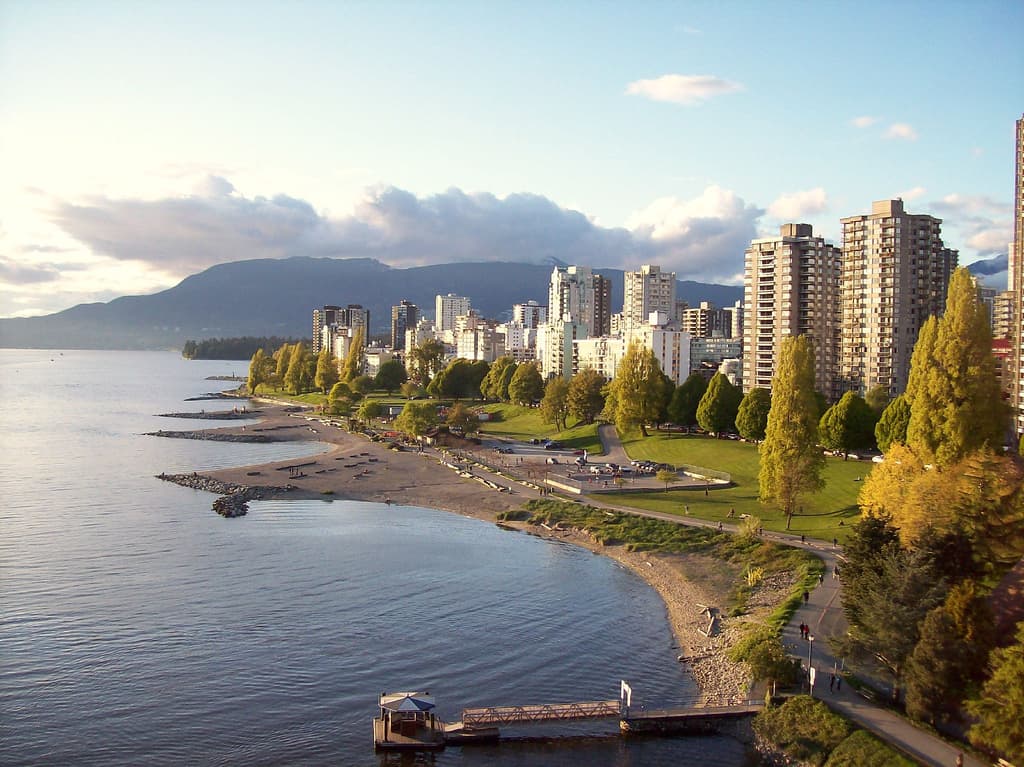 beach
beachDowntown's own sunset beach, at the west end of Davie Street.
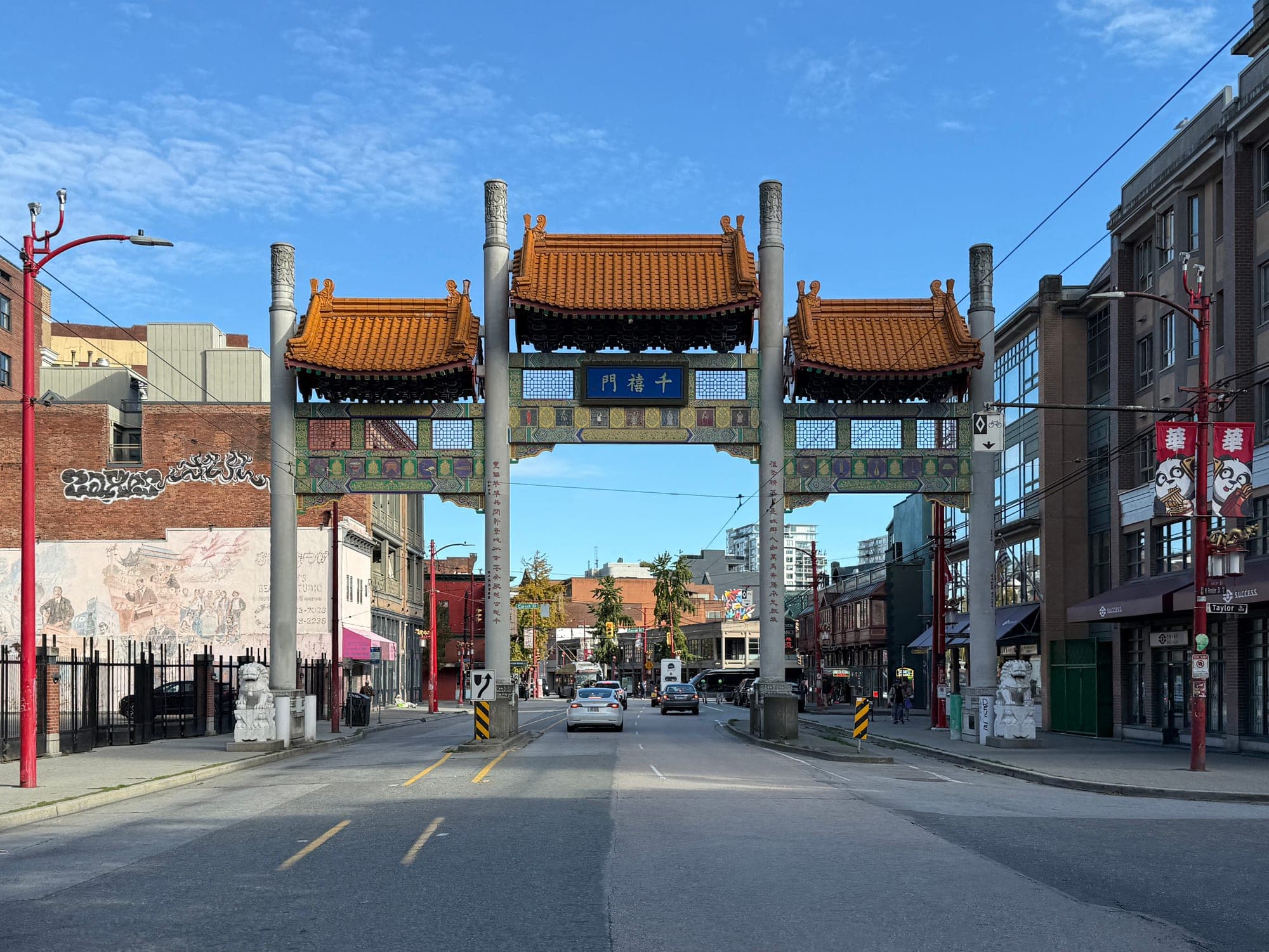 neighbourhood
Canada's oldest Chinatown — heritage buildings, new restaurants, and the Millennium Gate.
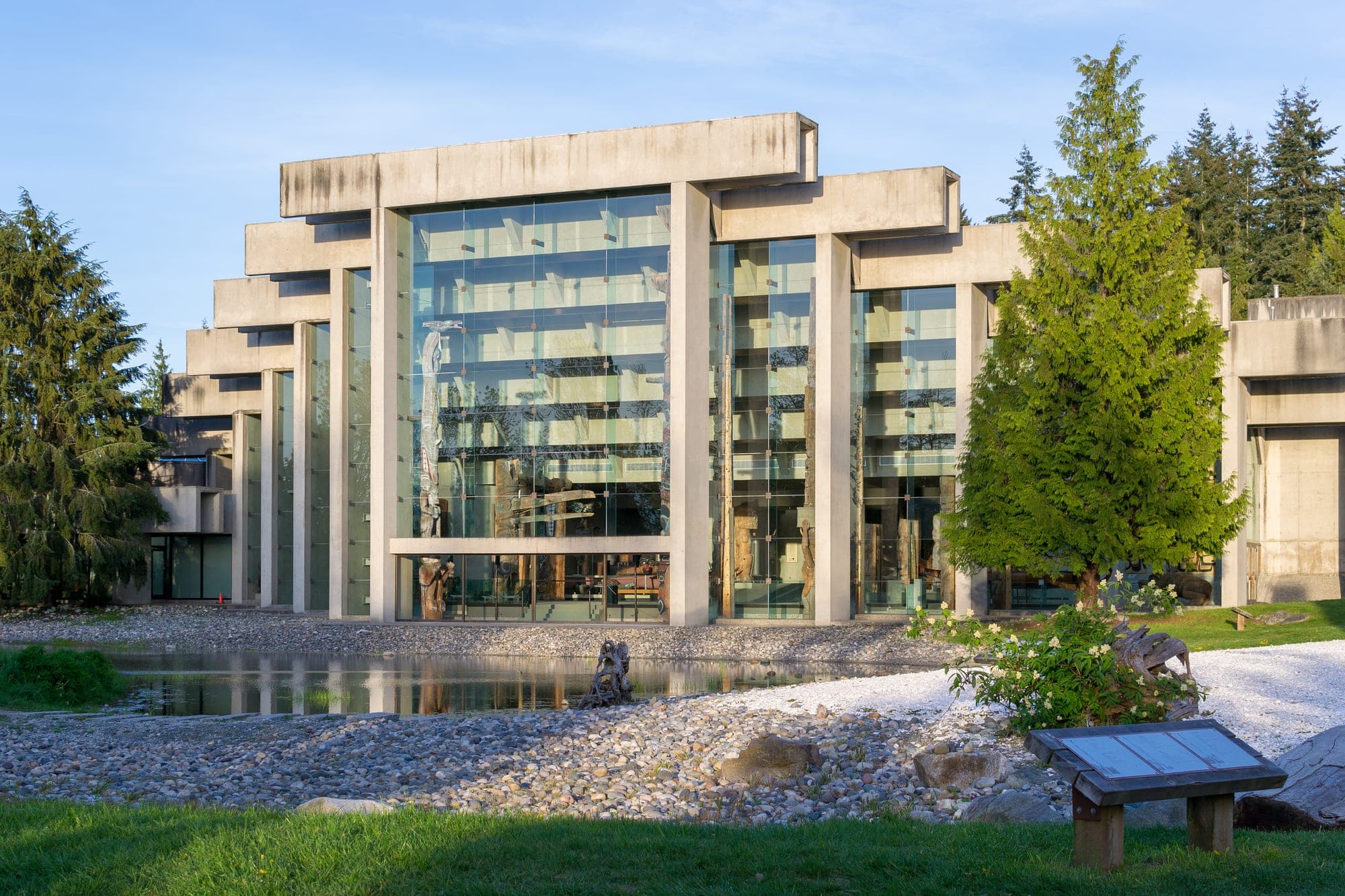 museum
World-class Indigenous art collection in a Arthur Erickson building overlooking the ocean.
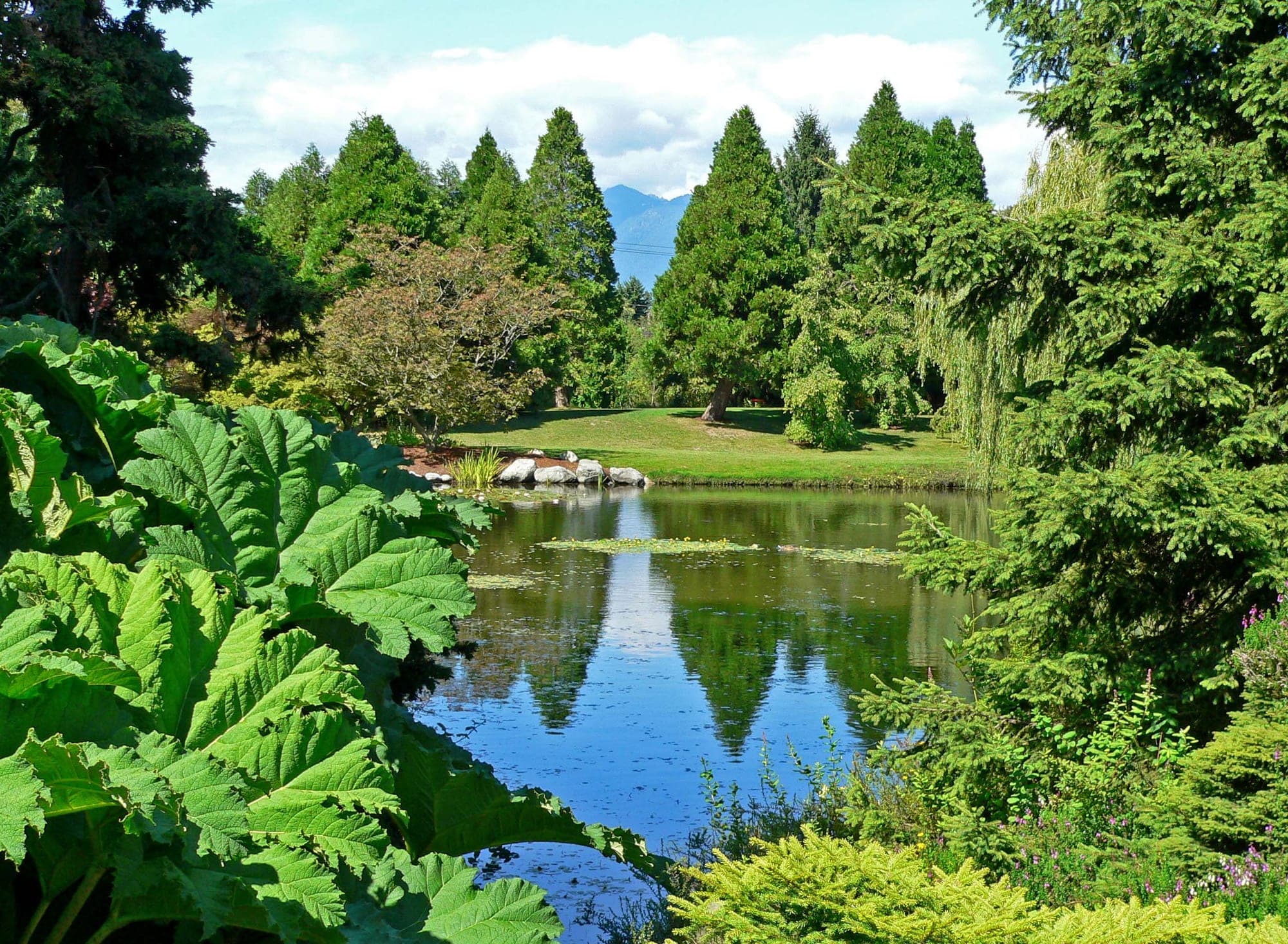 garden
22 hectares of themed gardens including a famously tricky hedge maze.
Services in Vancouver
Local price ranges for the most-searched home services. Community submissions + researched quotes, updated regularly.
Getting around
Vancouver is served by three SkyTrain lines (Expo, Millennium, Canada), dense 15-minute bus routes along most major corridors, and the SeaBus to North Vancouver. The entire city is in TransLink Zone 1, so a one-zone monthly pass covers you end to end. The Broadway Subway Project is extending the Millennium Line westward and is expected to open in 2027, which will change commute patterns across the Westside.
Waterfront · Burrard · Granville · Stadium–Chinatown · Commercial–Broadway · Broadway–City Hall · Oakridge–41st Avenue · Marine Drive
Schools & health
The Vancouver School Board operates around 90 elementary schools and 18 secondary schools across the City of Vancouver. Families applying for kindergarten or mid-year transfers typically register through the VSB's online portal. Daycare and preschool are separate from the public school system and operate on their own waitlists — some of them years long. Primary healthcare in Vancouver is provided through Vancouver Coastal Health; new residents should register with MSP (BC's public health insurance) as soon as they have a BC address.
10 schools with programs, catchments, and BC Ministry of Education performance data.
Public secondary schools
The 10 most-asked-about Vancouver School Board (SD 39) secondaries, with their programs, the catchment neighbourhoods they serve, and the BC Ministry of Education's own per-school graduation-assessment results where available. Catchment is determined by your home address — verify with the district's catchment lookup before any move.
What the program badges mean
IB, AP, French Immersion, Mini School — what they are, who they suit, and how the application process works.
Standard catchment program (BC Dogwood) · Standard
The default open-enrolment program every BC public secondary runs. Open to anyone in catchment. Leads to the BC Dogwood Diploma — the standard provincial high-school graduation certificate, accepted by every Canadian university and most international ones.
International Baccalaureate (Diploma + Middle Years) · IB
Globally recognised academic programme run alongside or instead of BC Dogwood. The Diploma Programme (DP) is in Grades 11–12 with six subjects + a research essay; the Middle Years Programme (MYP) is in Grades 8–10 and feeds the DP. Application-based, citywide intake, heavier workload than Dogwood. Most useful for students applying to universities outside Canada.
Advanced Placement · AP
Subject-by-subject acceleration toward US-style college credit. Students pick individual AP courses (Calculus AB, English Literature, Chemistry, etc.) and write the AP exam in May. Less common in BC than IB, but useful for students with one or two subject strengths who don't want a full alternative diploma.
French Immersion (early or late entry) · French Immersion
Academic subjects delivered in French through Grade 12. Continuation of the elementary French Immersion program — students entering at the secondary level usually came from a feeder FI elementary. Bilingual graduates get a Dual Dogwood (BC + bilingual). Late immersion (Grade 6 entry) and early immersion (kindergarten entry) merge by secondary.
Mini School cohort programs · Mini School
Application-based four-year academic cohort that runs alongside the regular catchment program inside the same school. Each Mini School has its own theme — Tech (Templeton), Arts (Byng), Challenge (Hamber), academic-enriched (Kitsilano), etc. Open citywide via application; competitive admission with interviews and portfolios depending on theme.
Languages of instruction
Most BC public secondaries deliver subjects in English. French Immersion schools deliver core academic subjects (math, sciences, social studies) in French. A small number of VSB elementaries run Mandarin Bilingual programs feeding into specific secondaries (e.g., Eric Hamber's Mandarin Accelerated stream). Beyond that, languages appear as electives — Mandarin, Punjabi, Spanish, Japanese, and Korean are widely offered in Greater Vancouver depending on the local community.
South Cambie's main public secondary, in a brand-new 2024 building, known for its Challenge Studio mini school and a sprawling catchment from Oakridge to Cambie Village.
Catchment includes: South Granville, Kerrisdale & Dunbar
960 West 33rd Avenue, Vancouver, BC V5Z 0L2
West Point Grey's catchment secondary, with a high-profile arts mini school (Byng Arts) that draws applicants citywide.
Catchment includes: Kitsilano
3939 W 16th Avenue, Vancouver, BC V6R 3C9
Kitsilano's neighbourhood secondary, rebuilt in 2018, with the Mini School cohort program and a strong athletics tradition.
Catchment includes: Kitsilano
2706 Trafalgar Street, Vancouver, BC V6K 2J6
Kerrisdale's catchment secondary on East Boulevard, with the Point Grey Mini School and a strong UBC pipeline.
Catchment includes: Kerrisdale & Dunbar
5350 East Boulevard, Vancouver, BC V6M 3V2
Shaughnessy/Arbutus Ridge catchment secondary, with both a Mini School cohort and the west side's primary French Immersion secondary stream.
Catchment includes: South Granville, Kerrisdale & Dunbar
2250 Eddington Drive, Vancouver, BC V6L 2E7
Oakridge's catchment secondary and one of two VSB schools offering the full International Baccalaureate Diploma Programme.
Catchment includes: Kerrisdale & Dunbar, South Granville
7055 Heather Street, Vancouver, BC V6P 3P7
Fraserview catchment secondary in southeast Vancouver, with a long-running Mini School cohort and a culturally diverse student body.
Catchment includes: East Van
1755 East 55th Avenue, Vancouver, BC V5P 1Z7
Killarney's namesake catchment secondary, one of VSB's largest by enrolment, with a Mini School and a community-centre-attached pool and rink.
Catchment includes: East Van
6454 Killarney Street, Vancouver, BC V5S 2X7
Hastings-Sunrise catchment secondary, smaller and more close-knit than the big east-side schools, with a long-running Tech Mini School.
Catchment includes: East Van, Commercial Drive
727 Templeton Drive, Vancouver, BC V5L 4N8
Commercial Drive's catchment secondary, integrated into the Britannia Community Services Centre with pool, rink, and library on-site.
Catchment includes: Commercial Drive, East Van
1001 Cotton Drive, Vancouver, BC V5L 3T4
Official district website
Vancouver School Board (SD 39) ↗
Catchment lookup, registration, programs, and the authoritative source for any policy change.
Performance data source
BC Ministry of Education — Graduation Assessments ↗
We surface the latest non-masked-cohort year per metric; data retrieved 2026-04-17.
We deliberately don't lead with a single Fraser Institute ranking number — within a few percentage points those ranks are statistical noise, and they leave out everything that matters about the day-to-day school experience. The official BC MoE per-school proficiency rates above are what the province itself publishes about how each school is doing.
Safety in Vancouver
Statistics Canada publishes the regional figure below for the Vancouver census metropolitan area. It covers multiple municipalities and cannot tell you whether a city, neighbourhood, building or route is safe. Use it as regional context, then check the exact address with current local information.
Vancouver CMA (regional)
83.5
Crime Severity Index — 2025
Canada (national)
75.0
Crime Severity Index — 2025
How to read this
The Vancouver CMA index is 8.5 points above the Canadian average. CSI weights crimes by sentencing severity, not just count.
Canada national average: 75.0
Statistics Canada says the CSI is one part of a larger picture. It measures the volume and severity of police-reported crime, excludes incidents that are not reported, and is not a universal indicator of community safety. Read how Statistics Canada says to use the CSI.
Before choosing a home
Check 1
Confirm whether a statistic covers the municipality, a police jurisdiction or the whole Vancouver CMA. Do not apply a regional number to one block.
Check 2
Walk the route to transit, parking and regular destinations during the hours you expect to use them, including after dark when relevant.
Check 3
Check entrances, locks, lighting, parcel handling, parking and the building's documented procedures with the landlord or strata.
Check 4
Review the local police service's latest reporting and contact information. Ask what the data includes, its date and whether it covers the address.
Fraud prevention
These are Canada-wide patterns from official fraud-prevention sources. They are not city-specific incident claims.
Verify the person and unit independently. Be cautious when someone demands money before a viewing or uses urgency to prevent normal checks.
RCMP: rental scamsDo not provide personal information through an unexpected message. End the contact and reach the organization through its official website or published number.
Canadian Anti-Fraud CentreTreat unsolicited investments and promises to recover lost money for an advance fee as warning signs. Verify firms and claims through independent official channels.
2026 Canadian fraud trendsWhat to actually do
For current non-emergency contacts in Vancouver, use the official local police website. Call 911 for an immediate emergency.
Weather & seasons
Vancouver has the mildest climate of any major Canadian city. Winters are cool and damp but rarely freezing; summers are dry, sunny, and mild. Locals joke that you can play on the beach and ski on the North Shore on the same day — and they're not wrong, for about six weeks a year in spring.
July through September is peak season — warm, dry, and long days. May, June, and early October are shoulder-season sweet spots: still pleasant, noticeably cheaper, and far less crowded at attractions like Stanley Park and Granville Island. November through February is the wet season — mild but grey, and the best time for cheap flights and empty restaurants.
Vancouver International Airport (YVR) sits 15 km south of downtown on Sea Island in Richmond. The Canada Line SkyTrain connects YVR to downtown Vancouver in about 26 minutes, running every 6–10 minutes and costing around $9.45 as an adult fare (the standard 2-zone fare plus a $5 YVR AddFare). Taxis and ride-shares cost $35–50 depending on time of day. YVR is consistently ranked among the best airports in North America for passenger experience.
The Peace Arch land border crossing at Surrey is about 45 minutes south of downtown Vancouver. Driving from Seattle takes 2.5–3 hours, most of it on I-5 and Highway 99. Amtrak Cascades runs a daily train service (Seattle → Vancouver Pacific Central Station) that takes about 4 hours.
Common questions
Yes — Vancouver is consistently one of the most expensive cities in Canada. A one-bedroom apartment on the open market runs around $2,750 in 2026, and the official CMHC average is lower ($1,862) because it only tracks existing long-term tenants in purpose-built buildings. Food, transit, and childcare are in line with other big Canadian cities; rent is the outlier.
Most people living within the City of Vancouver itself don't need one. The city is compact, transit is genuinely useful, and car-sharing services (Evo and Modo) cover the gap for trips to IKEA or the mountains. If you live east of Boundary Road or commute to the suburbs daily, a car is more practical.
There's no single answer, but Mount Pleasant, East Van, and the area around Commercial–Broadway hit the best balance of price, transit access, community diversity, and food. Downtown is walkable but expensive; Kitsilano is family-friendly but quiet and car-dependent outside the Westside.
Expect grey skies and drizzle from November to March — not heavy rain, but constant. The summers (June to September) are dry, sunny, and mild. Locals own good waterproof shoes and stop using umbrellas after their first winter.
It's a BC government program that caps parent fees at $10 per day at participating licensed daycares. Not every centre has opted in, and waitlists at participating ones are long. See our daycare guide for how to find and apply to $10-a-day spots.
July to September, without question. Expect temperatures in the low-to-mid 20s Celsius, long daylight hours, and almost no rain. Shoulder seasons (May/June and September/October) are still pleasant and much less crowded. November through February is mild by Canadian standards — rarely below freezing — but grey and wet.
Vancouver is on the Cascadia subduction zone, which is capable of a major earthquake. Building codes are strict and new construction is designed to withstand significant shaking, but it's worth registering for BC's emergency alerts (Alert Ready) and keeping a basic 72-hour kit. Day-to-day life is unaffected.
Tipping is expected at sit-down restaurants (15–20% of the pre-tax bill), on taxis and ride-shares (10–15%), and for personal services like haircuts and massages (15–20%). Card machines often default to 18–22% pre-selected; you can always adjust. Counter-service coffee shops and quick-service food don't expect tips, even when the machine asks.
The easiest way is the Canada Line SkyTrain — about 26 minutes from YVR to Waterfront Station, running every 6–10 minutes. A regular adult fare with a YVR AddFare is around $9.45. A taxi or ride-share costs roughly $35–50 depending on traffic and time of day.
Plan further
If you're planning a visit, there are hour-by-hour itineraries with cited costs. If you're planning a move, the cost-of-living breakdown and the newcomer essentials guides are the next stops.
Monthly budget
Line-by-line monthly budget with cited rent, groceries, transit, and hydro numbers.
Vancouver itineraries
Hour-by-hour plans with cited attraction prices and real transit routes.
Day trips
Honest day-trip plans with BC Ferries and Sea-to-Sky Highway directions.
Newcomer guides
Step-by-step essentials for the first month in BC — cited and dated.
Keep exploring
Greater Vancouver is a collection of very different cities, each with its own rhythm, rents, and food scene. If you're comparing or planning a move, these are the obvious ones to look at next.
Quiet suburbs, Metrotown shopping, and SFU on the mountain.
Home to the best Chinese food in North America and Steveston village.
Trails, salt air, and Lonsdale Quay's waterfront market.